

Dit barns skole er udtrukket blandt alle folkeskoler i Danmark til at deltage i READit. Du har derfor mulighed for at tilmelde dit barn og modtage en gratis taske med bøger og vejledningsmateriale.
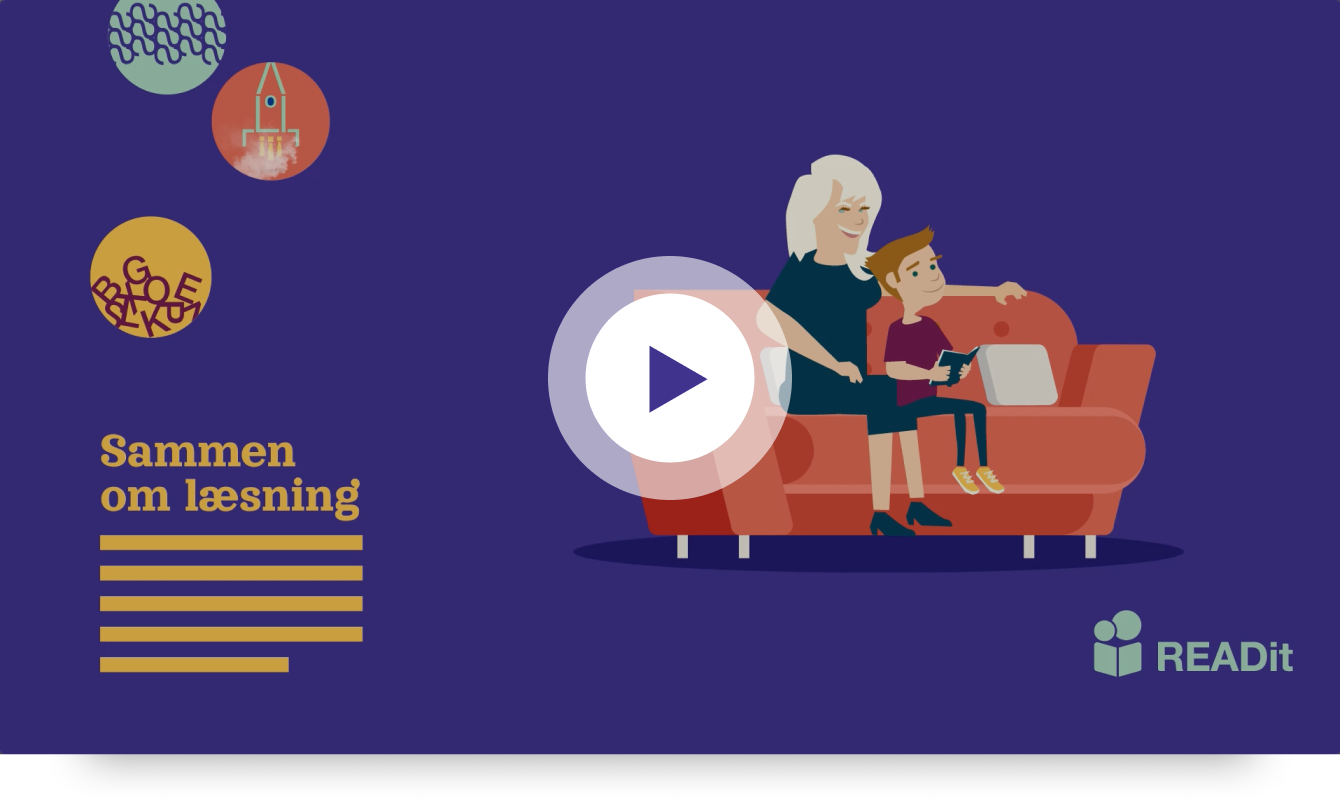
READit er en videreudvikling af forskningsprojektet READ – Sammen om læsning. Klik på pilen og se en film om resultaterne fra projektet.
Your child’s school has been selected from among all primary schools in Denmark to take part in READit. Therefore, it is possible for you to register your child and receive a free bag of books and instructional materials.
READit is a further development of the research project READ – Sammen om læsning (Reading Together). Click the arrow to watch a film in Danish about the results of the project.
تم اختيار مدرسة طفلك من بين كل مدارس المرحلة الابتدائية في الدنمارك لتشارك في مشروع READit. ولذلك، يمكنك تسجيل طفلك في المشروع واستلام حقيبة مجانية تحتوي على كتب ومواد إرشادية.
READit هو تطوير إضافي للمشروع البحثي READ – Sammen om læsning (القراءة معًا). انقر على السهم لمشاهدة فيلم يوضح النتائج المرجوة من المشروع باللغة الدنماركية.
Jūsų vaiko mokykla atrinkta iš visų Danijos pradinių mokyklų dalyvauti „READit” programoje. Todėl galite užregistruoti savo vaiką ir gauti nemokamą krepšelį su knygomis ir mokomąja medžiaga.
„READit” – tai tolesnis tyrimų projekto READ – Sammen om læsning (skaitymas kartu) vystymas. Spustelėkite rodyklę, kad peržiūrėtumėte filmą apie projekto rezultatus danų kalba.
مدرسه فرزندتان از بین تمام مدارس ابتدایی دانمارک برای شرکت در READit انتخاب شده است. بنابراین، این امکان برای شما فراهم شده است تا فرزندتان را در این برنامه ثبتنام کنید و یک بسته رایگان کتاب و مطالب آموزشی دریافت نمایید.
READit توسعه بیشتر پروژه پژوهشی READ – Sammen om læsning (مطالعه با هم) است. برای مشاهدۀ فیلمی به زبان دانمارکی در مورد نتایج این پروژه، روی فلش کلیک کنید.
Szkoła, do której uczęszcza Państwa dziecko została wybrana spośród wszystkich szkół podstawowych w Danii do udziału w programie READit. W związku z tym mogą Państwo zarejestrować swoje dziecko i otrzymać bezpłatną torbę zawierającą książki oraz materiały dydaktyczne.
READit jest kontynuacją projektu badawczego READ – Sammen om læsning (Czytamy razem). Zachęcamy do kliknięcia w strzałkę, aby obejrzeć film w języku duńskim o rezultatach projektu.
Școala copilului dvs. a fost selectată, dintre toate școlile primare din Danemarca, pentru a participa la READit. Prin urmare, este posibil să vă înregistrați copilul și să primiți o pungă gratuită de cărți și materiale de instruire.
READit este o continuare a proiectului de cercetare READ – Sammen om læsning (Citind împreună). Faceți clic pe săgeată pentru a viziona un film în limba daneză despre rezultatele proiectului.
Iskuulka cunugaada ayaa laga xushey dhammaan dugsiyada hoose ee Denmark si uu uga qeyb qaato READit. Sidaa darteed, waa macquul inaad diiwaangelisid cunugaada aadna heshid bac ey ku jiraan buugaag iyo agab akhris oo bilaash ah.
READit waa kobcin ka facanta mashruuca cilmi baarista READ – Sammen om læsning (Akhrin Wadajir ah). Ku dhufo fallaarta si aad Danish ugu daawatid filim ku saabsan natiijada mashruuca.
Школу вашої дитини було обрано серед усіх початкових шкіл Данії для участі в проєкті READit. Тож ви отримуєте можливість зареєструвати свою дитину й отримати безкоштовний набір книжок і довідкові матеріали.
READit — це наступний етап дослідницького проєкту READ – Sammen om læsning (Читаємо разом). Натисніть на стрілку, щоб переглянути фільм данською мовою про результати проєкту.
Çocuğunuzun okulu, Danimarka’daki tüm ilkokullar arasından READit’te yer alması için seçildi. Bu nedenle, çocuğunuzu kaydettirebilir ve ücretsiz bir çanta dolusu kitap ve eğitim materyali alabilirsiniz.
READit, READ - Sammen om læsning (Birlikte Okuma) araştırma projesinin daha da geliştirilmiş hâlidir. Projenin sonuçları hakkında bir film (Danca dilinde) izlemek için oka tıklayın.
ستاسو د ماشوم ښوونځی په READit کې د برخه اخیستو لپاره په ډنمارک کې د ټولو ابتدایي ښوونځیو څخه ټاکل شوې. له همدې امله، دا ستاسو لپاره ممکنه ده چې د خپل ماشوم نوم لیکنه وکړئ او د کتابونو او لارښوونې نوکو وړیا بسته ترلاسه کړئ.
READit د څیړنې پروژې نور پرمختګ دی READ – Sammen om læsning (Reading Together). د پروژې د پایلو په اړه په ډنمارکی ژبه کې د فلم کتو لپاره په تیر کلیک وکړئ.
Trường của con bạn đã được chọn trong số tất cả các trường tiểu học ở Đan Mạch để tham gia chương trình READit. Do đó, bạn có thể đăng ký cho con mình và nhận một túi sách và tài liệu học miễn phí.
READit là một phần phát triển thêm của dự án nghiên cứu READ – Sammen om læsning (Đọc Sách Cùng Nhau). Nhấp vào mũi tên để xem một đoạn phim bằng tiếng Đan Mạch về kết quả của dự án.







For at deltage i READit skal du tilmelde dit barn her på siden. Det er frivilligt at deltage - vi forventer ikke, at der er nogen risici eller gener forbundet med at deltage i projektet - og du kan til enhver tid kontakte os, hvis du ønsker at framelde dig igen.
I forbindelse med projektet behandler vi personoplysninger om dig og dit barn. Vi behandler oplysningerne sikkert og fortroligt, og vi offentliggør ikke resultater, hvor det er muligt at identificere dig eller dit barn. Du kan læse om, hvilke oplysninger vi behandler og til hvilke formål ved at trykke på knappen nedenfor.
In order to take part in READit, you must register your child on this page. Participation is voluntary, and you are welcome to contact us at any time if you wish to withdraw from the project. We do not expect that there are any risks or inconveniences associated with participating in the project.
If you participate in the project, we process personal data about you and your child. We process the data securely and confidentially, and we do not publish any results in which it is possible to identify you or your child. You can read more about which data we process and the purpose for which we process them by clicking the button below.
لتستطيع المشاركة في مشروع READit، يجب عليك تسجيل طفلك بالمشروع بهذه الصفحة. المشاركة بهذا المشروع تطوعية بالكامل، ولذلك نرحب بالتواصل معنا دومًا وفي أي وقت إذا رغبت في الانسحاب من المشروع.
في حالة مشاركتك بالمشروع، نقوم بمعالجة البيانات الشخصية المتعلقة بك و بطفلك. نقوم بمعالجة البيانات بشكل آمن وسري، ولا ننشر أي نتائج يمكن من خلالها الإفصاح عن هويتك أو هوية طفلك. يمكنك معرفة مزيد من المعلومات عن البيانات التي نقوم بمعالجتها والغرض من عملية المعالجة ذاتها، وكل ذلك من خلال النقر على الزر الموجود بأسفل الصفحة.
Norėdami dalyvauti „READit”, turite užregistruoti savo vaiką šiame puslapyje. Dalyvavimas projekte yra savanoriškas, todėl bet kada galite susisiekti su mumis, jei norite iš projekto pasitraukti.
Jei dalyvausite projekte, mes tvarkysime jūsų ir jūsų vaiko asmens duomenis. Duomenis tvarkome saugiai ir konfidencialiai, neskelbiame jokių rezultatų, pagal kuriuos būtų galima nustatyti jūsų ar jūsų vaiko tapatybę. Daugiau informacijos apie tai, kokius duomenis tvarkome ir kokiu tikslu juos tvarkome, galite perskaityti spustelėję toliau esantį mygtuką.
برای شرکت در READit، باید فرزندتان را در این صفحه ثبتنام کنید. مشارکت اختیاری است، و اگر مایل به انصراف این این پروژه بودید، میتوانید در هر زمان با ما تماس بگیرید.
در صورت مشارکت در این پروژه، اطلاعات شخصی شما و فرزندتان را پردازش میکنیم. این دادهها را بهطور ایمن و محرمانه پردازش میکنیم، و نتایج را به شیوهای که بیانگر هویت فرزندتان باشد، منتشر نمیکنیم. با کلیک روی دکمه زیر میتوانید اطلاعات بیشتری در مورد اطلاعاتی که پردازش میکنیم و هدف از پردازش آنها به دست آورید.
Aby wziąć udział w programie READit, należy za pośrednictwem tej strony zarejestrować swoje dziecko. Udział w projekcie jest dobrowolny. W przypadku chęci wycofania się z udziału w projekcie, w każdej chwili mogą Państwo skontaktować się z nami w tej sprawie.
Udział w projekcie będzie wiązał się z przetwarzaniem przez nas danych należących zarówno do Państwa, jak i Waszego dziecka. Dane te będziemy przetwarzać w sposób bezpieczny i poufny. Nie będziemy publikować żadnych wyników umożliwiających identyfikację Państwa tożsamości ani tożsamości Waszego dziecka. Więcej informacji o tym, w taki sposób przetwarzamy dane, a także w jakim celu będą one przetwarzane, uzyskają Państwo po kliknięciu w poniższy przycisk.
Pentru a participa la READit, trebuie să vă înregistrați copilul pe această pagină. Participarea este voluntară și sunteți binevenit(ă) să ne contactați în orice moment dacă doriți să vă retrageți din proiect.
Dacă participați la proiect, vom prelucra date cu caracter personal despre dvs. și copilul dvs. Datele sunt prelucrate în condiții de siguranță și confidențialitate și nu publicăm niciun rezultat prin care să fie posibilă identificarea dvs. sau a copilului dvs. Puteți citi mai multe despre datele pe care le prelucrăm și despre scopul pentru care le prelucrăm făcând clic pe butonul de mai jos.
Si aad uga qeyb qaadatid READit, waa inaad cunugaada ka diiwaangelisaa boggan. Ka qeybqaadashadu waa ikhriyaar, waadna kusoo dhawaanaysaa inaad xili walba nala soo xiriirto haddii aad rajeysid inaad ka laabatid mashruuca.
Haddii aad ka qeyb qaadatid mashruuca, waxaan habeyneynaa xogta shakhsiyeed ee adiga iyo cunugaadaba. Waxaan xogta u habeynaa si badqabta oo qarsoodi ah, mana daabaceyna natiijooyin walba oo ey macquul tahay in la aqoonsado adiga ama cunugaada. Waxaad wax ka akhrin kartaa xogta aan habeyno iyo asbaabta aan u habeyno adigoo ku dhufunaya badhanka hoose.
Щоб узяти участь у проєкті READit, вам потрібно зареєструвати свою дитину на цій сторінці. Участь добровільна, крім того, ви будь-коли можете зв'язатися з нами й повідомити про те, що бажаєте вийти з проєкту.
Якщо ви берете участь у проєкті, ми обробляємо ваші персональні дані та дані вашої дитині. Обробка даних відбувається безпечно й конфіденційно. Ми не публікуємо тих результатів, за якими можна ідентифікувати вас або вашу дитину. Ви можете прочитати більше про дані, які ми обробляємо, і мету їхньої обробки, натиснувши кнопку нижче.
READit’te yer almak için, çocuğunuzu önce kaydettirmelisiniz. Katılım gönüllülük esasına dayanır ve projeden çekilmek isterseniz dilediğiniz zaman bizimle iletişime geçebilirsiniz.
Projede yer alırsanız siz ve çocuğunuzla ilgili kişisel verileri işleriz. Verileri güvenli ve gizli olarak işleriz ve sizin veya çocuğunuzun tanımlanabileceği sonuçları yayınlamayız. Aşağıdaki düğmeye tıklayarak hangi verileri işlediğimiz ve işleme amacımız hakkında daha fazla bilgi edinebilirsiniz.
په READit کې د برخې اخیستو لپاره، تاسو باید خپل ماشوم د په دې پاڼه کې نوم لیکنه وکړئ. ګډون داوطلبانه دی، او که چیرې تاسو له پروژې څخه وتل غواړئ نو تاسو ته په هر وخت کې له موږ سره اړیکه نیسلو ته ښه راغلاست ویل کیږي.
که چیرې تاسو په پروژه کې ګډون وکړئ، نو موږ ستاسو او ستاسو د ماشوم په اړه شخصي معلومات پروسه کوو. موږ ډاټا په خوندي توګه او په محرم ډول پروسه کوو، او موږ داسې کومې پایلې نه خپروو له کوم چې تاسو یا ستاسو د ماشوم پیژندل ممکن وي. تاسو پدې اړه نور لوستلئ شي چې کومه ډاټا موږ پروسه کوو او د کوم موخې لپاره موږ یې د لاندې تڼۍ په کلیک کولو سره پروسه کوو.
Để tham gia dự án READit, bạn phải đăng ký cho con mình trên trang này. Việc tham gia là tự nguyện, và chúng tôi hoan nghênh bạn liên hệ chúng tôi vào bất kỳ lúc nào nếu bạn muốn rút lui khỏi dự án.
Nếu bạn tham gia dự án này, chúng tôi sẽ xử lý dữ liệu cá nhân về bạn và con bạn. Chúng tôi xử lý dữ liệu theo cách an toàn và bảo mật, và chúng tôi không công bố bất kỳ kết quả nào trong đó có thể nhận dạng bạn hoặc con bạn. Bạn có thể đọc thêm về việc chúng tôi xử lý dữ liệu nào và mục đích xử lý dữ liệu đó bằng cách nhấp vào nút bên dưới.

Forskningsprojektet er finansieret med støtte fra Novo Nordisk Fonden. Efter projektets afslutning deler vi vores erfaringer, og den viden som projektet giver os med forældre og skoler i hele Danmark – bl.a. på hjemmesiden childresearch.au.dk. På den måde håber vi, at vi kan give endnu flere forældre og børn gode læseoplevelser sammen.
The research project is funded with support from the Novo Nordisk Foundation. After the project is completed, we will share the lessons we have learnt and the knowledge generated by the project with parents and schools throughout Denmark, including on the website, childresearch.au.dk. In so doing, we hope to be able to provide even more parents and children with rewarding reading experiences together.
يُجرى تمويل المشروع البحثي هذا بدعم من مؤسسة Novo Nordisk. وسنشارك الدروس المستفادة والمعرفة الناتجة من هذا المشروع مع الآباء والمدارس في جميع أنحاء الدنمارك بعد الانتهاء من المشروع، وسنضعها على الموقع الإلكتروني childresearch.au.dk. وبذلك، نأمل أن يساعدنا هذا على توفير تجارب قراءة ثرية لمزيد من الآباء والأبناء معًا.
Tyrimo projektas finansuojamas iš „Novo Nordisk” fondo lėšų. Projektui pasibaigus, pasidalysime išmoktomis pamokomis ir projekto metu įgytomis žiniomis su tėvais ir mokyklomis visoje Danijoje, taip pat ir šioje interneto svetainėje: childresearch.au.dk. Tikimės, kad taip padėsime dar didesniam skaičiui tėvų ir vaikų kartu dalytis vertinga skaitymo patirtimi.
بودجه این پروژه پژوهشی با حمایت بنیاد Novo Nordisk Foundation تأمین شده است. پس از اتمام پروژه، درسهایی را که آموختهایم و دانش به دست آمده از پروژه را با والدین و مدارس سرتاسر دانمارک، از جمله در وبسایت childresearch.au.dk به اشتراک میگذاریم. در راستای این اقدام، امیدواریم در کنار هم بتوانیم تجربههای ارزشمند خواندن را در اختیار والدین و کودکان بیشتری قرار دهیم.
Niniejszy projekt badawczy finansowany jest w ramach wsparcia Fundacji Novo Nordisk. Po zakończeniu projektu podzielimy się z rodzicami oraz szkołami w całej Danii wyciągniętymi przez nas wnioskami oraz wiedzą zdobytą w ramach realizacji tego projektu, między innymi w tej witrynie internetowej, childresearch.au.dk. Mamy nadzieję, że w ten sposób będziemy mogli zapewnić jeszcze większej liczbie rodziców i dzieci satysfakcjonujące doświadczenia związane ze wspólnym czytaniem.
Proiectul de cercetare este finanțat cu sprijinul Fundației Novo Nordisk. După finalizarea proiectului, vom împărtăși lecțiile pe care le-am învățat și cunoștințele generate de proiect cu părinții și școlile de pe întregul teritoriu al Danemarcei, inclusiv pe site-ul childresearch.au.dk. Astfel, sperăm să putem oferi și mai multor părinți și copii experiențe de lectură pline de satisfacții.
Mashruuca cilmi barista waxaa lagu maalgeliyey taageerada ka timaada Novo Nordisk Foundation. Kadib marka mashruucu dhammaado, waxaan waalidiinta iyo iskuulada Denmark oo idil la wadaagi doonaa casharada aan ka baraney iyo colmiga uu mashruucu soo saaray, ey ku jirto mareegta, childresearch.au.dk. Saas la ajligeed, waxaan rajeyneynaa inaan awodno inaan waalidiinta iyo caruurta siino khibrado wax akhris si wadajir ah oo abaalmarin mudan oo dheeri ah.
Дослідницький проєкт засновано за підтримки організації Novo Nordisk Foundation. Після закінчення проєкту ми надамо результати наших досліджень і відомості, отримані в межах проєкту, батькам і школам усієї Данії, а також опублікуємо їх на вебсайті childresearch.au.dk. У такий спосіб ми сподіваємося долучити ще більше батьків і дітей до корисного досвіду читання разом.
Araştırma projesi, Novo Nordisk Derneği’nin desteğiyle fonlanmaktadır. Proje tamamlandıktan sonra, öğrendiğimiz dersleri ve proje tarafından üretilen bilgileri, childresearch.au.dk web sitesi üzerinden Danimarka'daki ebeveynler ve okullarla paylaşacağız. Bunu yaparak, daha fazla ebeveyn ve çocuğa birlikte faydalı okuma deneyimleri sağlamayı umuyoruz.
د څیړنې پروژه د نوو نورډیسک بنسټ (Novo Nordisk Foundation) لخوا تمویل کیږي. د پروژې بشپړیدو وروسته، موږ به خپل زده شوي درسونه او د پروژې لخوا رامینځته شوي پوهه به په ټول ډنمارک کې د والدینو او ښوونځیو سره شریک کړو، په شمول د ویب پاڼې، childresearch.au.dk. په داسې کولو سره، موږ هیله مند یو چې په ګډه د لوستلو ګټورو تجربو سره لا نور والدین او ماشومان چمتو کړو.
Dự án nghiên cứu này được tài trợ với sự hỗ trợ của Novo Nordisk Foundation. Sau khi dự án này hoàn thành, chúng tôi sẽ chia sẻ những bài học có được và kiến thức từ dự án này với các bậc phụ huynh và trường học trên khắp Đan Mạch, bao gồm trên trang web childresearch.au.dk. Khi làm như thế, chúng tôi mong là có thể mang lại những trải nghiệm đọc sách bổ ích cùng nhau cho nhiều phụ huynh và trẻ em hơn.

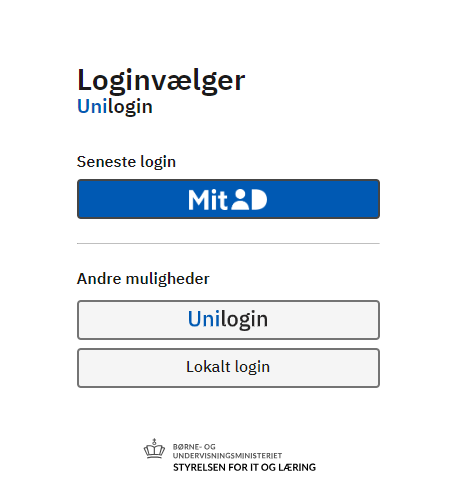
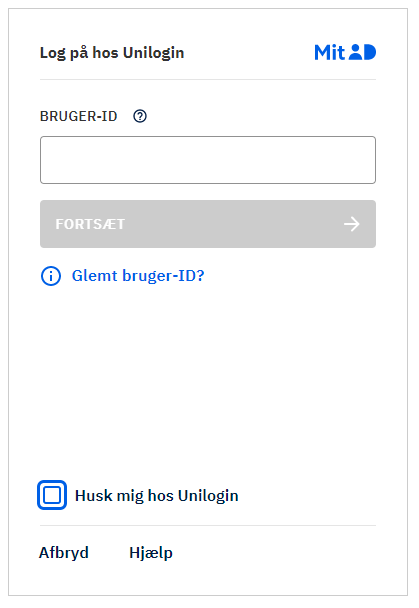
Tryk på knappen nedenfor og log på med MitID. Når du logger på siden, tilmelder du dig samtidigt READit.
Når du tilmelder dig projektet, giver du samtidigt samtykke til, at du deltager i projektet som beskrevet her på siden. Vi vil bede dig fortælle dit barn om READit og inddrage dit barn i beslutningen om, hvorvidt I ønsker at deltage. When you sign up for the project, you simultaneously consent to participating in the project as described on this page. We kindly ask you to tell your child about READit and include your child in the decision about whether you wish to participate. أنت توافق على المشاركة في المشروع كما هو موصوف في هذه الصفحة، في ذات الوقت الذي تُجري فيه عملية تسجيلك بالمشروع. يرجى إخبار طفلك عن مشروع READit وإشراكه في عملية اتخاذ قرار المشاركة في المشروع. Kai prisiregistruojate dalyvauti projekte, kartu sutinkate su jo sąlygomis, aprašytomis šiame puslapyje. Maloniai prašome papasakoti savo vaikui apie „READit“ ir įtraukti vaiką į sprendimą dėl dalyvavimo projekte. ثبتنام در این پروژه بهمعنای اعلام رضایت خود برای شرکت در پروژه طبق توصیف این صفحه است. خواهشمندیم اطلاعاتی در مورد READit در اختیار فرزندتان قرار دهید و نظر او را برای شرکت در این پروژه جویا شوید. Zgłaszając się do udziału w projekcie wyrażają Państwo tym samym zgodę na uczestnictwo w projekcie na zasadach opisanych na tej stronie. Zachęcamy do opowiedzenia o READit Państwa dziecku i włączenia go w proces podejmowania decyzji dotyczącej chęci wzięcia udziału w tym projekcie. Atunci când vă înscrieți pentru proiect, sunteți simultan de acord să participați la proiect, după cum este descris pe această pagină. Vă rugăm să-i spuneți copilului dvs. despre READit și să îl includeți în decizia cu privire la dorința dvs. de a participa. Markaad iska diiwaangelisid mashruuca, waxaad si talantaalis ah u oggolaaneysaa inaad ka qeybqaadatid mashruuca sida lagu qeexey boggan. Waxaan si naxariis leh kuu weydiineynaa inaad cunugaada u sheegtid wax ku saabsan READit kuna dartid cunugaada go’aanka ah inaad rajeeneysid inaad ka qeybqaadaneysid. Реєструючись у проєкті, ви одночасно погоджуєтеся на участь у ньому так, як описано на цій сторінці. Ми щиро просимо вас розповісти своїй дитині про проєкт READit і заручитися її підтримкою під час прийняття рішення щодо участі в проєкті. Projeye kaydolduğunuzda, aynı zamanda bu sayfada açıklandığı üzere projede yer almaya izin verirsiniz. Çocuğunuza READit projesinden bahsetmenizi ve katılım kararına çocuğunuzu da dâhil etmenizi rica ediyoruz. کله چې تاسو د پروژې لپاره لاسلیک کوئ، نو تاسو په ورته وخت کې په دې پاڼه کې بیان شوي په پروژه کې د ګډون کولو رضايت ورکوئ. موږ په مهربانۍ سره له تاسو څخه غوښتنه کوو چې خپل ماشوم ته د READit په اړه ووایاست او خپل ماشوم په دې پریکړه کې شامل کړئ چې ایا تاسو برخه اخیستل غواړئ که نه. Khi bạn đăng ký với dự án, bạn đồng thời đồng ý tham gia dự án như mô tả trên trang này. Chúng tôi yêu cầu bạn cho con bạn biết về dự án READit và cho con bạn tham gia quyết định về việc có muốn tham gia dự án hay không.
Hvis du ønsker at bestille en mulepose til dit barn, skal du kontakte dit barns skole.
I forbindelse med forskningsprojektet READit behandler vi oplysninger om dig og dit barn, som er nødvendige for at gennemføre forskningsprojektet. Aarhus Universitet er som dataansvarlig ansvarlig for alle personoplysninger, der indsamles, behandles og registreres om dig og dit barn. Herunder kan du læse om formålet med forskningsprojektet og behandlingen af personoplysninger, hvilke oplysninger vi behandler og hvordan, samt hvilke rettigheder du har i den sammenhæng.
In the context of the READit research project, we process information about you and your child that is necessary to carry out the research project. As the data controller, Aarhus University is responsible for all personal data collected, processed and registered about you and your child. Below you can read about the purpose of the research project and the processing of personal data, what data we process and how we process it, as well as what rights you have in this context.
In the context of the READit research project, we process information about you and your child that is necessary to carry out the research project. As the data controller, Aarhus University is responsible for all personal data collected, processed and registered about you and your child. Below you can read about the purpose of the research project and the processing of personal data, what data we process and how we process it, as well as what rights you have in this context.
In the context of the READit research project, we process information about you and your child that is necessary to carry out the research project. As the data controller, Aarhus University is responsible for all personal data collected, processed and registered about you and your child. Below you can read about the purpose of the research project and the processing of personal data, what data we process and how we process it, as well as what rights you have in this context.
In the context of the READit research project, we process information about you and your child that is necessary to carry out the research project. As the data controller, Aarhus University is responsible for all personal data collected, processed and registered about you and your child. Below you can read about the purpose of the research project and the processing of personal data, what data we process and how we process it, as well as what rights you have in this context.
In the context of the READit research project, we process information about you and your child that is necessary to carry out the research project. As the data controller, Aarhus University is responsible for all personal data collected, processed and registered about you and your child. Below you can read about the purpose of the research project and the processing of personal data, what data we process and how we process it, as well as what rights you have in this context.
In the context of the READit research project, we process information about you and your child that is necessary to carry out the research project. As the data controller, Aarhus University is responsible for all personal data collected, processed and registered about you and your child. Below you can read about the purpose of the research project and the processing of personal data, what data we process and how we process it, as well as what rights you have in this context.
In the context of the READit research project, we process information about you and your child that is necessary to carry out the research project. As the data controller, Aarhus University is responsible for all personal data collected, processed and registered about you and your child. Below you can read about the purpose of the research project and the processing of personal data, what data we process and how we process it, as well as what rights you have in this context.
In the context of the READit research project, we process information about you and your child that is necessary to carry out the research project. As the data controller, Aarhus University is responsible for all personal data collected, processed and registered about you and your child. Below you can read about the purpose of the research project and the processing of personal data, what data we process and how we process it, as well as what rights you have in this context.
In the context of the READit research project, we process information about you and your child that is necessary to carry out the research project. As the data controller, Aarhus University is responsible for all personal data collected, processed and registered about you and your child. Below you can read about the purpose of the research project and the processing of personal data, what data we process and how we process it, as well as what rights you have in this context.
In the context of the READit research project, we process information about you and your child that is necessary to carry out the research project. As the data controller, Aarhus University is responsible for all personal data collected, processed and registered about you and your child. Below you can read about the purpose of the research project and the processing of personal data, what data we process and how we process it, as well as what rights you have in this context.
In the context of the READit research project, we process information about you and your child that is necessary to carry out the research project. As the data controller, Aarhus University is responsible for all personal data collected, processed and registered about you and your child. Below you can read about the purpose of the research project and the processing of personal data, what data we process and how we process it, as well as what rights you have in this context.
Dataansvarlig
Data controller
Data controller
Data controller
Data controller
Data controller
Data controller
Data controller
Data controller
Data controller
Data controller
Data controller
Aarhus Universitet
Nordre Ringgade 1
8000 Aarhus
CVR-nr: 31119103
Kontaktoplysninger Contact Information Contact Information Contact Information Contact Information Contact Information Contact Information Contact Information Contact Information Contact Information Contact Information Contact Information
Professor Simon Calmar Andersen, Institut for Statskundskab, er forskningsleder på projektet. Hvis du har spørgsmål til projektet og vores behandling af dine oplysninger, kan du rette henvendelse på Professor Simon Calmar Andersen, Department of Political Science, is the research leader on the project. If you have any questions about the project and our processing of your information, you can contact Professor Simon Calmar Andersen, Department of Political Science, is the research leader on the project. If you have any questions about the project and our processing of your information, you can contact Professor Simon Calmar Andersen, Department of Political Science, is the research leader on the project. If you have any questions about the project and our processing of your information, you can contact Professor Simon Calmar Andersen, Department of Political Science, is the research leader on the project. If you have any questions about the project and our processing of your information, you can contact Professor Simon Calmar Andersen, Department of Political Science, is the research leader on the project. If you have any questions about the project and our processing of your information, you can contact Professor Simon Calmar Andersen, Department of Political Science, is the research leader on the project. If you have any questions about the project and our processing of your information, you can contact Professor Simon Calmar Andersen, Department of Political Science, is the research leader on the project. If you have any questions about the project and our processing of your information, you can contact Professor Simon Calmar Andersen, Department of Political Science, is the research leader on the project. If you have any questions about the project and our processing of your information, you can contact Professor Simon Calmar Andersen, Department of Political Science, is the research leader on the project. If you have any questions about the project and our processing of your information, you can contact Professor Simon Calmar Andersen, Department of Political Science, is the research leader on the project. If you have any questions about the project and our processing of your information, you can contact Professor Simon Calmar Andersen, Department of Political Science, is the research leader on the project. If you have any questions about the project and our processing of your information, you can contact readit@ps.au.dk.
Søren Broberg Nielsen er Databeskyttelsesrådgiver (DPO) ved Aarhus Universitet og kan kontaktes på Søren Broberg Nielsen is Data Protection Officer (DPO) at Aarhus University and can be contacted at Søren Broberg Nielsen is Data Protection Officer (DPO) at Aarhus University and can be contacted at Søren Broberg Nielsen is Data Protection Officer (DPO) at Aarhus University and can be contacted at Søren Broberg Nielsen is Data Protection Officer (DPO) at Aarhus University and can be contacted at Søren Broberg Nielsen is Data Protection Officer (DPO) at Aarhus University and can be contacted at Søren Broberg Nielsen is Data Protection Officer (DPO) at Aarhus University and can be contacted at Søren Broberg Nielsen is Data Protection Officer (DPO) at Aarhus University and can be contacted at Søren Broberg Nielsen is Data Protection Officer (DPO) at Aarhus University and can be contacted at Søren Broberg Nielsen is Data Protection Officer (DPO) at Aarhus University and can be contacted at Søren Broberg Nielsen is Data Protection Officer (DPO) at Aarhus University and can be contacted at Søren Broberg Nielsen is Data Protection Officer (DPO) at Aarhus University and can be contacted at dpo@au.dk.Aarhus Universitet behandler persondata om dig og dit barn med henblik på at gennemføre forskningsprojektet READit. Projektets formål er at undersøge, om og hvordan en indsats, som hjælper skoler og forældre til at understøtte elevers læseudvikling, kan implementeres i stor skala. Indsatsen, READit, er en videreudvikling af læseindsatsen READ - sammen om læsning, og flere forskningsstudier har vist, at indsatsen fremmer børns læsefærdigheder. Mange studier på uddannelsesområdet har vist positive effekter, når indsatser er blevet implementeret i mindre skala – men der er meget få indsatser, som har vist positive effekter, når de involverer flere end tusind deltagere. Gennem en række lodtrækningsforsøg vil projektet undersøge, hvad forskellige former for implementeringsunderstøttelse betyder for indsatsens resultater.
Aarhus University processes personal data about you and your child in order to carry out the READit research project. The project aims to investigate whether and how an intervention that helps schools and parents to support pupils’ reading development can be implemented on a large scale. The initiative, READit, is a further development of the “READ - sammen om læsning” (READ - Together for Reading initiative), and several research studies have shown that the initiative advances children’s reading skills. Many studies in education have shown positive effects when interventions have been implemented on a small scale - but very few interventions have shown positive effects when they involve more than a thousand participants. Through a series of randomised trials, the project will explore the impact of different forms of implementation support on the outcomes of the intervention.
Aarhus University processes personal data about you and your child in order to carry out the READit research project. The project aims to investigate whether and how an intervention that helps schools and parents to support pupils’ reading development can be implemented on a large scale. The initiative, READit, is a further development of the “READ - sammen om læsning” (READ - Together for Reading initiative), and several research studies have shown that the initiative advances children’s reading skills. Many studies in education have shown positive effects when interventions have been implemented on a small scale - but very few interventions have shown positive effects when they involve more than a thousand participants. Through a series of randomised trials, the project will explore the impact of different forms of implementation support on the outcomes of the intervention.
Aarhus University processes personal data about you and your child in order to carry out the READit research project. The project aims to investigate whether and how an intervention that helps schools and parents to support pupils’ reading development can be implemented on a large scale. The initiative, READit, is a further development of the “READ - sammen om læsning” (READ - Together for Reading initiative), and several research studies have shown that the initiative advances children’s reading skills. Many studies in education have shown positive effects when interventions have been implemented on a small scale - but very few interventions have shown positive effects when they involve more than a thousand participants. Through a series of randomised trials, the project will explore the impact of different forms of implementation support on the outcomes of the intervention.
Aarhus University processes personal data about you and your child in order to carry out the READit research project. The project aims to investigate whether and how an intervention that helps schools and parents to support pupils’ reading development can be implemented on a large scale. The initiative, READit, is a further development of the “READ - sammen om læsning” (READ - Together for Reading initiative), and several research studies have shown that the initiative advances children’s reading skills. Many studies in education have shown positive effects when interventions have been implemented on a small scale - but very few interventions have shown positive effects when they involve more than a thousand participants. Through a series of randomised trials, the project will explore the impact of different forms of implementation support on the outcomes of the intervention.
Aarhus University processes personal data about you and your child in order to carry out the READit research project. The project aims to investigate whether and how an intervention that helps schools and parents to support pupils’ reading development can be implemented on a large scale. The initiative, READit, is a further development of the “READ - sammen om læsning” (READ - Together for Reading initiative), and several research studies have shown that the initiative advances children’s reading skills. Many studies in education have shown positive effects when interventions have been implemented on a small scale - but very few interventions have shown positive effects when they involve more than a thousand participants. Through a series of randomised trials, the project will explore the impact of different forms of implementation support on the outcomes of the intervention.
Aarhus University processes personal data about you and your child in order to carry out the READit research project. The project aims to investigate whether and how an intervention that helps schools and parents to support pupils’ reading development can be implemented on a large scale. The initiative, READit, is a further development of the “READ - sammen om læsning” (READ - Together for Reading initiative), and several research studies have shown that the initiative advances children’s reading skills. Many studies in education have shown positive effects when interventions have been implemented on a small scale - but very few interventions have shown positive effects when they involve more than a thousand participants. Through a series of randomised trials, the project will explore the impact of different forms of implementation support on the outcomes of the intervention.
Aarhus University processes personal data about you and your child in order to carry out the READit research project. The project aims to investigate whether and how an intervention that helps schools and parents to support pupils’ reading development can be implemented on a large scale. The initiative, READit, is a further development of the “READ - sammen om læsning” (READ - Together for Reading initiative), and several research studies have shown that the initiative advances children’s reading skills. Many studies in education have shown positive effects when interventions have been implemented on a small scale - but very few interventions have shown positive effects when they involve more than a thousand participants. Through a series of randomised trials, the project will explore the impact of different forms of implementation support on the outcomes of the intervention.
Aarhus University processes personal data about you and your child in order to carry out the READit research project. The project aims to investigate whether and how an intervention that helps schools and parents to support pupils’ reading development can be implemented on a large scale. The initiative, READit, is a further development of the “READ - sammen om læsning” (READ - Together for Reading initiative), and several research studies have shown that the initiative advances children’s reading skills. Many studies in education have shown positive effects when interventions have been implemented on a small scale - but very few interventions have shown positive effects when they involve more than a thousand participants. Through a series of randomised trials, the project will explore the impact of different forms of implementation support on the outcomes of the intervention.
Aarhus University processes personal data about you and your child in order to carry out the READit research project. The project aims to investigate whether and how an intervention that helps schools and parents to support pupils’ reading development can be implemented on a large scale. The initiative, READit, is a further development of the “READ - sammen om læsning” (READ - Together for Reading initiative), and several research studies have shown that the initiative advances children’s reading skills. Many studies in education have shown positive effects when interventions have been implemented on a small scale - but very few interventions have shown positive effects when they involve more than a thousand participants. Through a series of randomised trials, the project will explore the impact of different forms of implementation support on the outcomes of the intervention.
Aarhus University processes personal data about you and your child in order to carry out the READit research project. The project aims to investigate whether and how an intervention that helps schools and parents to support pupils’ reading development can be implemented on a large scale. The initiative, READit, is a further development of the “READ - sammen om læsning” (READ - Together for Reading initiative), and several research studies have shown that the initiative advances children’s reading skills. Many studies in education have shown positive effects when interventions have been implemented on a small scale - but very few interventions have shown positive effects when they involve more than a thousand participants. Through a series of randomised trials, the project will explore the impact of different forms of implementation support on the outcomes of the intervention.
Aarhus University processes personal data about you and your child in order to carry out the READit research project. The project aims to investigate whether and how an intervention that helps schools and parents to support pupils’ reading development can be implemented on a large scale. The initiative, READit, is a further development of the “READ - sammen om læsning” (READ - Together for Reading initiative), and several research studies have shown that the initiative advances children’s reading skills. Many studies in education have shown positive effects when interventions have been implemented on a small scale - but very few interventions have shown positive effects when they involve more than a thousand participants. Through a series of randomised trials, the project will explore the impact of different forms of implementation support on the outcomes of the intervention.
Aarhus Universitet behandler personoplysninger om dig og dit barn med hjemmel i Artikel 6, stk. 1, litra e (ikke-følsomme personoplysninger, da forskningsprojektet er en opgave i samfundets interesse og behandlingen er nødvendig for at gennemføre forskningsprojektet), Databeskyttelseslovens § 10, stk. 1 (følsomme personoplysninger til videnskabelige forskningsformål) og Databeskyttelseslovens § 11 stk. 1 (CPR-nummer med henblik på entydig identifikation).
Aarhus University processes personal data about you and your child on the basis of Article 6(1)(e) (non-sensitive personal data, as the research project is a task in the public interest and the processing is necessary to carry out the research project), Section 10(1) of the Data Protection Act (sensitive personal data for scientific research purposes) and Section 11(1) of the Data Protection Act (CPR number for the purpose of unique identification).
Aarhus University processes personal data about you and your child on the basis of Article 6(1)(e) (non-sensitive personal data, as the research project is a task in the public interest and the processing is necessary to carry out the research project), Section 10(1) of the Data Protection Act (sensitive personal data for scientific research purposes) and Section 11(1) of the Data Protection Act (CPR number for the purpose of unique identification).
Aarhus University processes personal data about you and your child on the basis of Article 6(1)(e) (non-sensitive personal data, as the research project is a task in the public interest and the processing is necessary to carry out the research project), Section 10(1) of the Data Protection Act (sensitive personal data for scientific research purposes) and Section 11(1) of the Data Protection Act (CPR number for the purpose of unique identification).
Aarhus University processes personal data about you and your child on the basis of Article 6(1)(e) (non-sensitive personal data, as the research project is a task in the public interest and the processing is necessary to carry out the research project), Section 10(1) of the Data Protection Act (sensitive personal data for scientific research purposes) and Section 11(1) of the Data Protection Act (CPR number for the purpose of unique identification).
Aarhus University processes personal data about you and your child on the basis of Article 6(1)(e) (non-sensitive personal data, as the research project is a task in the public interest and the processing is necessary to carry out the research project), Section 10(1) of the Data Protection Act (sensitive personal data for scientific research purposes) and Section 11(1) of the Data Protection Act (CPR number for the purpose of unique identification).
Aarhus University processes personal data about you and your child on the basis of Article 6(1)(e) (non-sensitive personal data, as the research project is a task in the public interest and the processing is necessary to carry out the research project), Section 10(1) of the Data Protection Act (sensitive personal data for scientific research purposes) and Section 11(1) of the Data Protection Act (CPR number for the purpose of unique identification).
Aarhus University processes personal data about you and your child on the basis of Article 6(1)(e) (non-sensitive personal data, as the research project is a task in the public interest and the processing is necessary to carry out the research project), Section 10(1) of the Data Protection Act (sensitive personal data for scientific research purposes) and Section 11(1) of the Data Protection Act (CPR number for the purpose of unique identification).
Aarhus University processes personal data about you and your child on the basis of Article 6(1)(e) (non-sensitive personal data, as the research project is a task in the public interest and the processing is necessary to carry out the research project), Section 10(1) of the Data Protection Act (sensitive personal data for scientific research purposes) and Section 11(1) of the Data Protection Act (CPR number for the purpose of unique identification).
Aarhus University processes personal data about you and your child on the basis of Article 6(1)(e) (non-sensitive personal data, as the research project is a task in the public interest and the processing is necessary to carry out the research project), Section 10(1) of the Data Protection Act (sensitive personal data for scientific research purposes) and Section 11(1) of the Data Protection Act (CPR number for the purpose of unique identification).
Aarhus University processes personal data about you and your child on the basis of Article 6(1)(e) (non-sensitive personal data, as the research project is a task in the public interest and the processing is necessary to carry out the research project), Section 10(1) of the Data Protection Act (sensitive personal data for scientific research purposes) and Section 11(1) of the Data Protection Act (CPR number for the purpose of unique identification).
Aarhus University processes personal data about you and your child on the basis of Article 6(1)(e) (non-sensitive personal data, as the research project is a task in the public interest and the processing is necessary to carry out the research project), Section 10(1) of the Data Protection Act (sensitive personal data for scientific research purposes) and Section 11(1) of the Data Protection Act (CPR number for the purpose of unique identification).
Aarhus Universitet indsamler data om projektdeltagere, og analyserer disse under inddragelse af eksisterende registerdata hos Danmarks Statistik. Registrene hos Danmarks Statistik indeholder oplysninger om alle elever, forældre og ansatte i projektets målgruppe.
Oplysninger som indsamles ved tilmelding
Ved tilmelding og efterfølgende login på READit-portalen modtager vi personoplysninger om dig og dit barn fra dit barns skole (kommune) via Unilogin:
institutionstilknytning
brugernavn i Unilogin
rolle i Unilogin
relationer i Unilogin (foreældre-barn)
navn
barnets klasse
Oplysninger som indsamles fra dig og dit barn
Under projektet vil vi modtage personoplysninger fra dig og dit barn. Oplysningerne omfatter:
dine svar på vores spørgeskemaer
anvendelsesstatistik ved anvendelse af READit-portalen.
Oplysninger som behandles hos Danmarks Statistik
Når dataindsamlingen er afsluttet, overfører vi oplysningerne fra deltagerne i projektet til en forskningsserver hos Danmarks Statistik. I analyserne hos Danmarks Statistik indgår alle danske skoleelever på 1. og 2. klassetrin i skoleåret 2023-24 samt deres forældre og ansatte på alle danske folkeskoler.
Hos Danmarks Statistik vil alle direkte personhenførbare oplysninger være erstattet af et personid, så det ikke muligt at identificere dig eller dit barn i de statistiske analyser. Danmarks Statistik anvender CPR-numre i forbindelse med denne pseudonymisering. CPR-numrene vil ikke være tilgængelige for forskere på Aarhus Universitet. Ved overførslen af personoplysninger om projektdeltagere til Danmarks Statistik vil Unilogin-brugernavne blive erstattet med et personid ved hjælp af CPR-numre som videregives til dette formål fra Styrelsen for IT og Læring.
I analyserne indgår:
oplysninger indsamlet i projektet om projektdeltagere (pseudonymiserede som beskrevet ovenfor).
oplysninger om uddannelse, arbejdsmarkedstilknytning og oprindelsesland. Vi modtager oplysningerne fra grunddatabanken hos Danmarks Statistik.
oplysninger om elever fra de nationale tests (folkeskolens nationale færdighedstest), fraværsregistre og trivselsmålinger. Vi modtager oplysningerne fra Styrelsen for IT og Læring.
Aarhus University collects data on project participants and analyses this using an existing data register from Statistics Denmark. The records at Statistics Denmark contain information on all pupils, parents, and employees in the project’s target group.
Information collected at registration
When you register and subsequently log in to the READit portal, we receive personal data about you and your child from your child’s school (municipality) via Unilogin:
Institutional affiliation
Username in Unilogin
Role in Unilogin
Relationships in Unilogin (grandparent-child)
Name
Child’s class
Information collected from you
During the project, we will receive personal data from you and your child. The information includes:
Your answers to our questionnaires
Usage statistics using the READit portal.
Data processed by Statistics Denmark
Once the data collection is completed, we transfer the information from the participants in the project to a research server at Statistics Denmark. The analyses at Statistics Denmark include all Danish pupils in grades 1 and 2 in the school year 2023-24, as well as their parents and staff at all Danish primary schools.
At Statistics Denmark, all directly identifiable information will be replaced by a personal identifier, so that it is not possible to identify you or your child in the statistical analyses. Statistics Denmark uses Civil Registration (CPR) numbers in connection with this pseudonymisation. The CPR numbers will not be available to researchers at Aarhus University. When transferring personal data of project participants to Statistics Denmark, Unilogin usernames will be replaced with a personal ID using CPR numbers provided for this purpose by “Styrelsen for IT og Læring” (Danish Agency for IT and Learning).
The analyses include:
Information collected in the project about project participants (pseudonymised as described above).
Information about education, labour market attachment and country of origin. We receive the information from the basic database at Statistics Denmark.
Information about pupils from national tests (primary school national skills tests), absence registers and well-being surveys. We receive the information from “Styrelsen for IT og Læring” (Danish Agency for IT and Learning).
Under projektet vil oplysninger som indsamles af Aarhus Universitet blive opbevaret på sikrede servere hos Aarhus Universitet og hos vores databehandlere.
Vi opbevarer oplysningerne så længe det er nødvendigt i henhold til projektets formål og den gældende lovgivning. Projektet forventes afsluttet d. ⅑ 2025, men opbevaringstiden kan af hensyn til publiceringsprocessen blive forlænget.
Databehandlere:
Oplysningerne vil ikke blive videregivet til andre, men vil blive behandlet af nedenstående, eksterne databehandlere efter reglerne i artikel 28 i databeskyttelsesforordningen.
During the project, data collected by Aarhus University will be stored on secure servers at Aarhus University and at our data processors’ locations.
We will keep the data for as long as necessary for the purposes of the project and in accordance with applicable legislation. The project is expected to be completed by ⅑ 2025, but the retention period may be extended to accommodate the publication process.
Data processors
The data will not be sent to a third party but will be processed by the following external data processors in accordance with the rules set out in Article 28 of the General Data Protection Regulation.
SurveyXact
Rambøll
Oluf Palmes Alle 20
8200 Aarhus N
CVR: 60997918
Danmarks Statistik
Sejrøgade 11
2100 København Ø
CVR: 17150413
ONLINECITY.IO ApS
Buchwaldsgade 50
5000 Odense C
CVR: 27364276
Personoplysningerne behandles til videnskabelige og statistiske formål i overensstemmelse med den gældende lovgivning om beskyttelse af personoplysninger. Det indebærer blandt andet at:
adgangen til at behandle oplysninger er begrænset til medarbejdere med et legitimt formål hertil.
alle medarbejdere, der behandler oplysninger har modtaget undervisning i den relevante lovgivning, og i sikker behandling af data.
personoplysningerne så vidt muligt opbevares pseudonymiseret, således at direkte henførbare oplysninger (navne mv.) ikke opbevares sammen med eksempelvis spørgeskemabesvarelser.
de indsamlede oplysninger kun bliver offentliggjort i anonymiseret form, hvor det ikke er muligt at identificere dig.
vi sletter eller anonymiserer personoplysninger, når de ikke længere er nødvendige for projektet.
vi inden behandlingen af personoplysningerne har vurderet de risici, der er forbundet med behandlingen af personoplysningerne, og har foretaget praktiske og tekniske foranstaltninger, der minimerer disse risici.
Personal data is processed for scientific and statistical purposes in accordance with the applicable legislation on the protection of personal data. This includes:
Access to process data is limited to employees with a legitimate purpose to do so.
All employees who process data have received training in the relevant legislation and in the secure processing of data.
Personal data is stored pseudonymised as far as possible, so that directly attributable information (names, etc.) is not kept together with, for example, questionnaire responses.
Collected information is only published in anonymised form, where it is not possible to identify you.
We delete or anonymise personal data when it is no longer needed for the project.
Before we process personal data, we have assessed the risks involved in processing the personal data and have taken practical and technical measures to minimise those risks.
Du har følgende rettigheder, hvis Aarhus Universitet behandler dine personoplysninger som et led i et forskningsprojekt, der er i samfundets interesse.
Ret til sletning eller retten til at blive glemt.
Ret til dataportabilitet - du har i visse tilfælde ret til at modtage dine personoplysninger og til at anmode om, at personoplysningerne bliver overført fra én dataansvarlig til en anden.
Ret til ikke at være genstand for en automatisk afgørelse udelukkende baseret på automatisk behandling, herunder profilering.
Du skal være opmærksom på, at dine rettigheder kan være begrænset af anden lovgivning eller underlagt undtagelser, fx i relation til forskning og offentlig myndighedsudøvelse.
You have the following rights if Aarhus University processes your personal data as part of a research project that is in the public interest.
Right to erase or right to be forgotten.
Right to data portability - in certain cases, you have the right to receive your personal data and to request that your personal data be transferred to another controller.
Right not to be subject to an automated decision based solely on automated processing, including profiling.
You should be aware that your rights may be limited by other legislation or subject to exceptions, for example in relation to research and the exercise of a regulatory authority.
Hvis du ønsker at klage over behandlingen af dine personoplysninger, kan du rette henvendelse til tilsynsmyndigheden: If you wish to complain about the processing of your personal data, you can contact the supervisory authority: If you wish to complain about the processing of your personal data, you can contact the supervisory authority: If you wish to complain about the processing of your personal data, you can contact the supervisory authority: If you wish to complain about the processing of your personal data, you can contact the supervisory authority: If you wish to complain about the processing of your personal data, you can contact the supervisory authority: If you wish to complain about the processing of your personal data, you can contact the supervisory authority: If you wish to complain about the processing of your personal data, you can contact the supervisory authority: If you wish to complain about the processing of your personal data, you can contact the supervisory authority: If you wish to complain about the processing of your personal data, you can contact the supervisory authority: If you wish to complain about the processing of your personal data, you can contact the supervisory authority: If you wish to complain about the processing of your personal data, you can contact the supervisory authority:
Datatilsynet
Carl Jacobsens Vej 35
2500 Valby
På Datatilsynets hjemmeside kan du læse om reglerne for behandling af personoplysninger til forskning og statistik: On the Danish Data Protection Authority's (Datatilsynet) website you can read about the rules for processing personal data for research and statistics: On the Danish Data Protection Authority's (Datatilsynet) website you can read about the rules for processing personal data for research and statistics: On the Danish Data Protection Authority's (Datatilsynet) website you can read about the rules for processing personal data for research and statistics: On the Danish Data Protection Authority's (Datatilsynet) website you can read about the rules for processing personal data for research and statistics: On the Danish Data Protection Authority's (Datatilsynet) website you can read about the rules for processing personal data for research and statistics: On the Danish Data Protection Authority's (Datatilsynet) website you can read about the rules for processing personal data for research and statistics: On the Danish Data Protection Authority's (Datatilsynet) website you can read about the rules for processing personal data for research and statistics: On the Danish Data Protection Authority's (Datatilsynet) website you can read about the rules for processing personal data for research and statistics: On the Danish Data Protection Authority's (Datatilsynet) website you can read about the rules for processing personal data for research and statistics: On the Danish Data Protection Authority's (Datatilsynet) website you can read about the rules for processing personal data for research and statistics: On the Danish Data Protection Authority's (Datatilsynet) website you can read about the rules for processing personal data for research and statistics: https://www.datatilsynet.dk/